Category: Q&A – Social Matters

  • Transgenders and Transsexuals in Islam

    Transgenders and Transsexuals in Islam

    Answered by Shaykh Yūsuf Badāt

    Question:

    Can you please tell me if the Qurʾān or ḥadīth (islamic source texts) mention how transsexual people should live? Is it permissible for them to change gender? Are they allowed to marry? I feel for them and do understand they suffer a pain with no bounds. Would appreciate very much if you can enlighten me with the knowledge of Islam regarding the issue.

    Answer:

    In the Name of Allāh, Most Merciful, Most Kind

    Jazāk Allāh Khayr/ Thank you for your question.

    Transgender and transsexual people should not be confused with intersexes.

    People who identify as transgender or transsexual are usually people who are born with typical male or female anatomies but feel as though they have been born into the ‘wrong body’. These individuals can gain psychological, emotional treatment and guidance through counselling and therapy.

    Intersexes are people having reproductive organs or external sexual characteristics of both male and female. The Islamic rulings regarding them is to determine their gender as best as possible, as specified below. If there are more masculine traits and signs, then they are to be treated and dealt with as males. If there are more signs of femininity, then the rules of females will apply.

    Some jurists base the verdict, looking at signs before and after puberty.

    Signs of masculinity and maleness:

    • To urine from the penis
    • Semen discharge from penis
    • Beard growth
    • Is able to impregnate
    • Possesses general male habits, actions and demeanours

    Signs of femininity:

    • To urinate from vaginal urethra
    • To experience menses
    • Breasts growth
    • Having breast-milk
    • Pregnancy and or childbirth

    These individuals are to be respected, integrated in society and treated well, just as anyone else is. They may marry and pray in congregation as well.

    There are countless opinions amongst the jurists, regarding the ‘al khunthā al mushkilah’ (when masculinity and femininity signs are equal in all perspectives). Each specific case may require analysis and the ruling is given accordingly.

    It is prohibited to have a sex reassignment surgery according to Islamic guidelines, since Islamic teachings require its adherents to understand that humans do not have absolute autonomy over their bodies. Muslims are encouraged to follow the laws of the Qurʾān and dictates of the ḥadīth.

    It must also be noted that transgenders and intersexes are not to be discriminated against. They deserve equality in the communities.

    (See: Al Mawsūʾat Al Fiqhīyyah)

    And Allāh Knows Best
  • Hair Growth with Laser Comb

    Hair Growth with Laser Comb

    Answered by Shaykh Yūsuf Badāt

    Question:

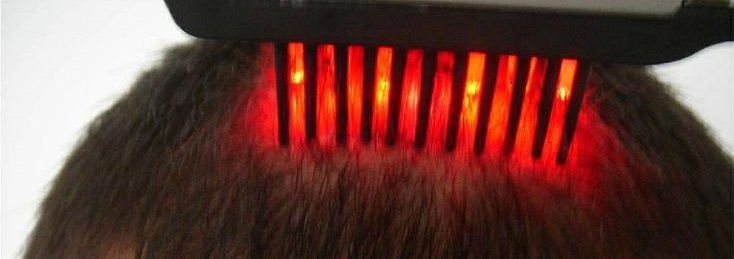
    I have a comb with lasers that is suppose to help with hair growth for my hair. Is it ḥarām (religiously prohibited) to use this or is it okay? Is this shirk because this may be associating something with Allāh’s quality of creating?

    Answer:

    Jazkā Allāh Khayr / Thank you for your question.

    Hair growth and regrowth through lasers is permissible if it is to treat baldness or physical defects. This would be regarded as a permissible medical treatment.

    “Treat sickness [and ailments], for Allāh has not created any disease except He has also created the cure” (Tirmidhī)

    In general circumstances, where there is no pressing necessity, such as disfigurement due to a fatal accident or baldness, it is generally prohibited in Islam, to have cosmetic procedures simply for beautification, due to the islamic prohibition of tampering with the natural God given body.

    “He (the Devil) said, “Surely I will take an appointed share from Your slaves, and I will lead them astray, and I will tempt them with false hopes, and I will command them, whereby they shall slit the ears of cattle, and I will command them, whereby they shall alter the creation of Allāh.” Whoever takes the Satan for friend, instead of Allāh, incurs an obvious loss.” (Qur’ān 4:119)

    And Allāh Knows Best

  • Is Smoking Hookah/Shisha Allowed in Islam?

    Is Smoking Hookah/Shisha Allowed in Islam?

    Answered by Shaykh Yusuf Badat

    Recent studies have shown that a single shisha session is the same as smoking 200 cigarettes. (See report by World Health Organisation – WHO)

    Tobacco based shisha is detrimental to health, addictive and is a means of wasting time and money.

    “There’s a misconception that shisha is not as bad for you as cigarettes, because the tobacco is flavoured and passes through water first. But the carcinogens and nicotine are still there. So a regular shisha smoker can expect to be at risk to the similar health problems that cigarette smokers face, whether that’s respiratory, heart disease or cancer. As with any other tobacco product, I expect regular shisha smokers will find it addictive, to the point that they may need it every day.” (Dr Khalid Anis, Chairman of Niche Tobacco Advisory Group – NTAG)

    Hence the use of such a substance that is detrimental to one’s health is considered prohibited or in the least makruh tahrimi (prohibitively disliked, meaning very close to haram) by majority jurists, especially when such substances are used in vain or leisure.

    Destroying one’s health through such activities is against the imperatives of the pure religion of Islam.
    “Do not put yourselves into destruction, and do good. Of course, Allah loves those who do good” (al Baqarah 2:195)
    May Allah keep us pure, healthy and away from all harmful substances through His infinite mercy.

    And Allah Knows Best